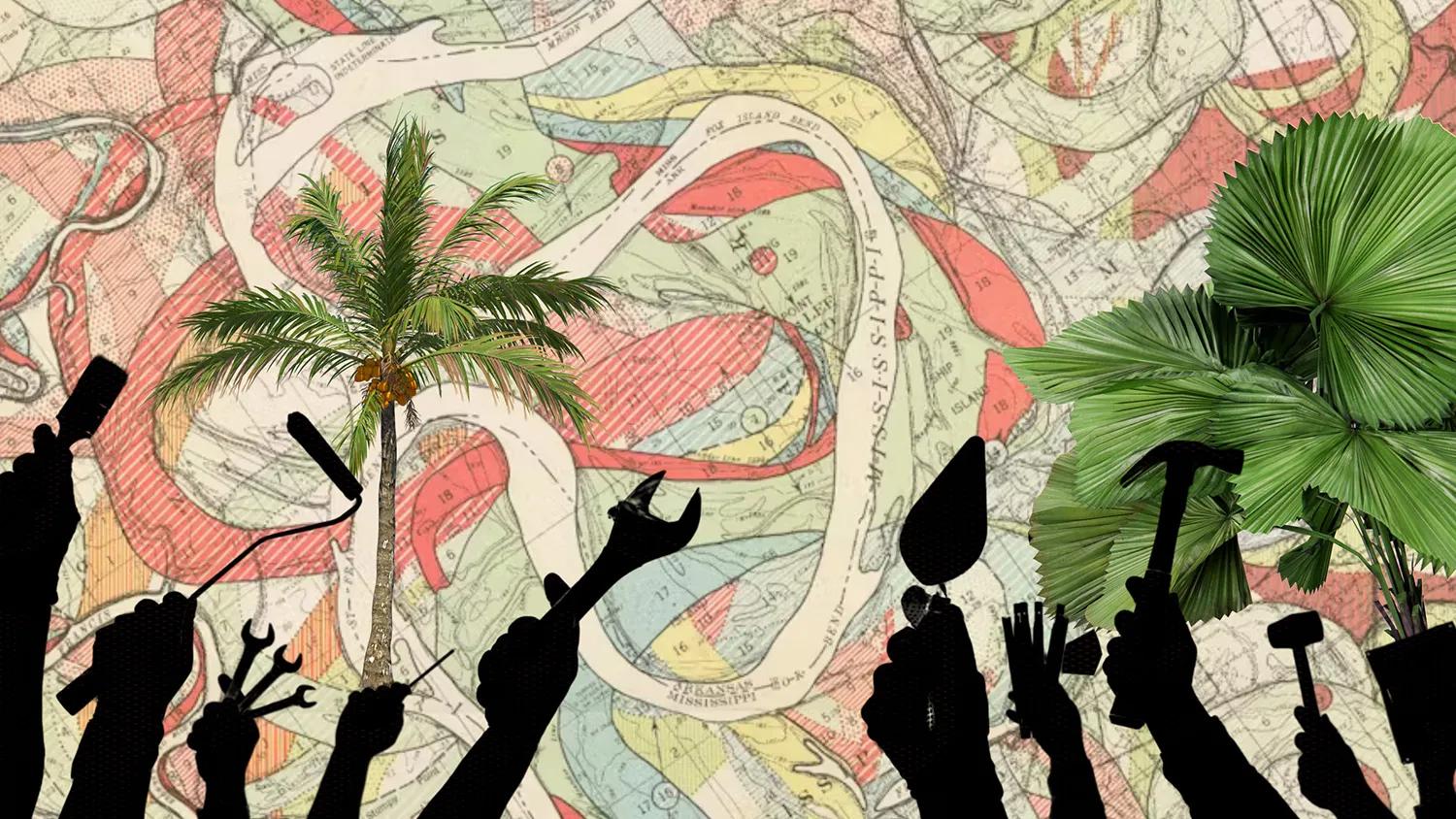
Career maps help workers, employers, and workforce boards see real routes through industries — not theoretical ones. They make invisible career ladders visible, and they increase the likelihood of moving from intent to action. The approach recognizes that how information is presented matters as much as the data itself.
"If you want to build a ship, don't drum up the men to gather wood, divide the work, and give orders. Instead, teach them to yearn for the vast and endless sea." — Antoine de Saint-Exupéry
The problem isn't just skills
Multiple sectors face critical workforce shortages. ~69% of organizations report difficulty recruiting full-time employees. Manufacturing is short-handed. Healthcare faces shortages of ~100,000 workers by 2028. Semiconductors need over 1 million skilled workers by 2030.
But the shortage isn't only about skills. It's about visibility, belonging, and barriers. Where many see a pure skills-matching problem, we also see a support and framing problem.
The four directions of career mapping
True North: Beliefs & Belonging. Persistent stigmas keep fields invisible — trades as "dirty," cybersecurity as male-dominated. Without real stories to counterbalance these narratives, workers self-select out before they ever start.
East: Illuminating the Path Forward. Advancement is rarely linear. Titles differ, skills shift, and next steps aren't obvious. Career maps make authentic pathways visible — how growth actually happens, not how it looks in an org chart.
South: Places to Go. Opportunities exist but remain hard to find or trust. The final gap between intention and action is real, and it requires concrete connections — to jobs, to training, to employers actively hiring.
West: The Shadow of the Present. Real-life barriers — childcare, transportation, scheduling — obstruct progress regardless of motivation. Career maps surface available supports so barriers don't become dead ends.
What this means in practice
Career maps are not a silver bullet. They won't alone solve talent shortages. But they make the invisible visible, and they create the conditions for workers to take a first step they wouldn't have taken otherwise.